

I want to start building more realistic consists for myself, but I'm having trouble deciphering what engine is what when I watch videos.

Could anyone help me out?
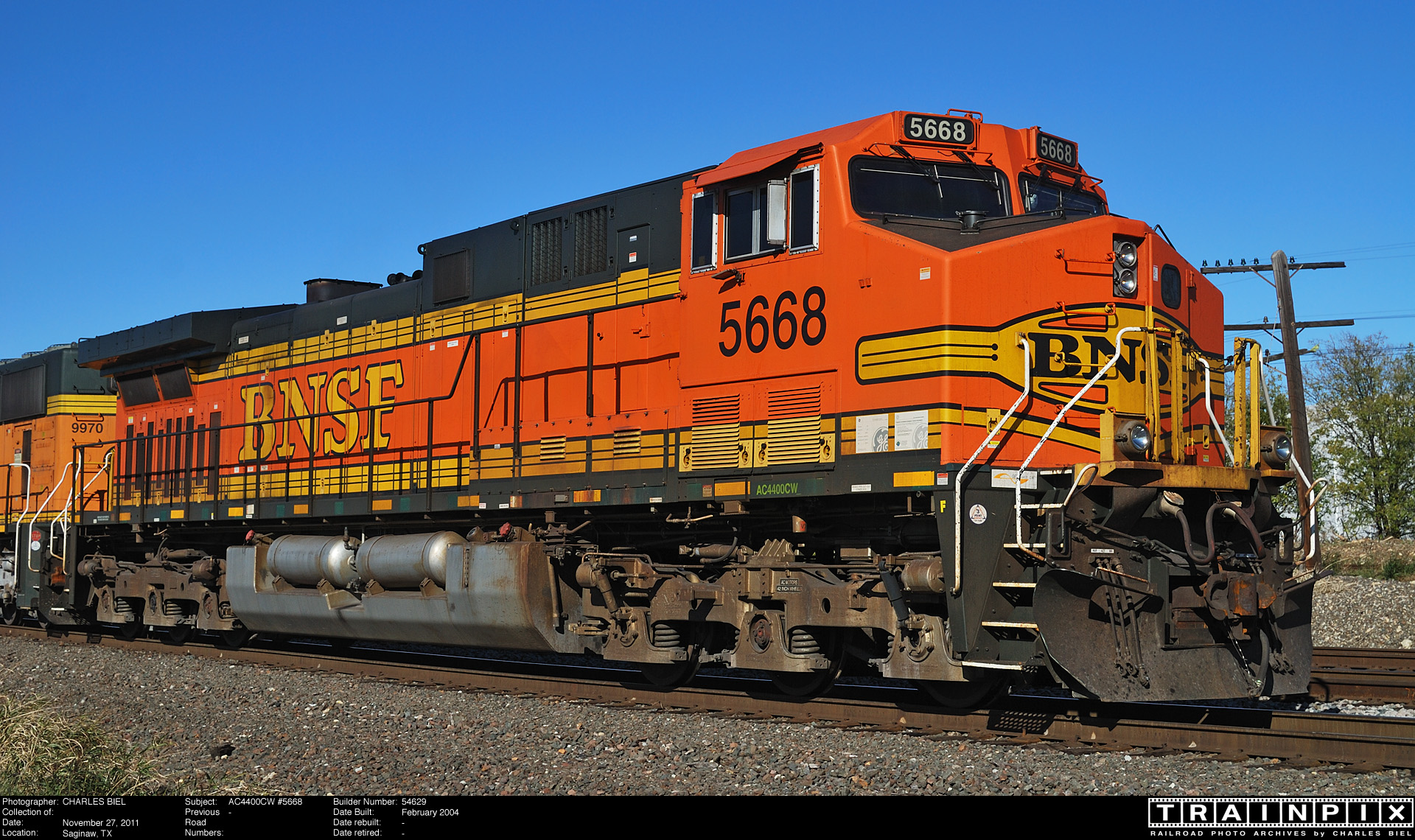
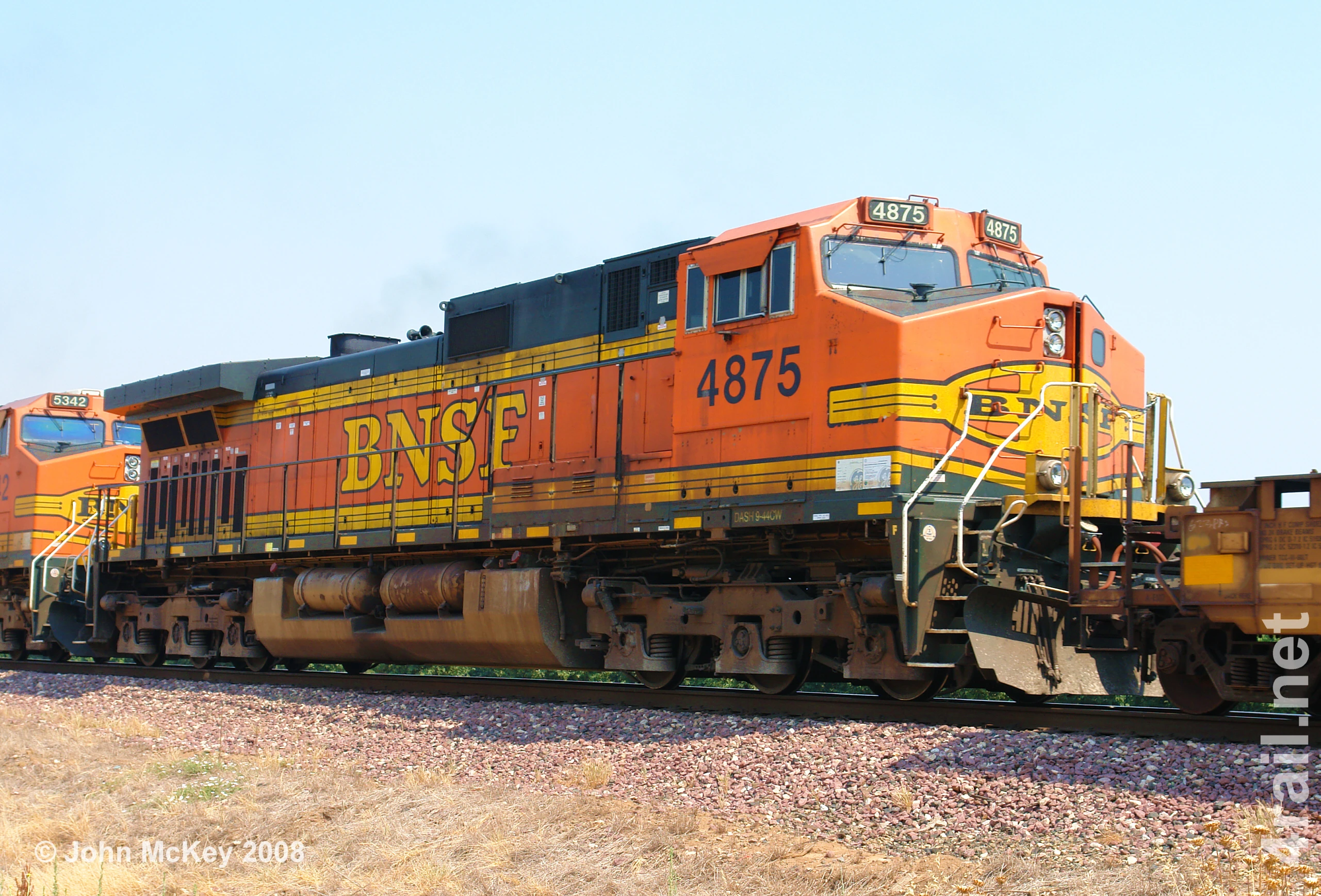
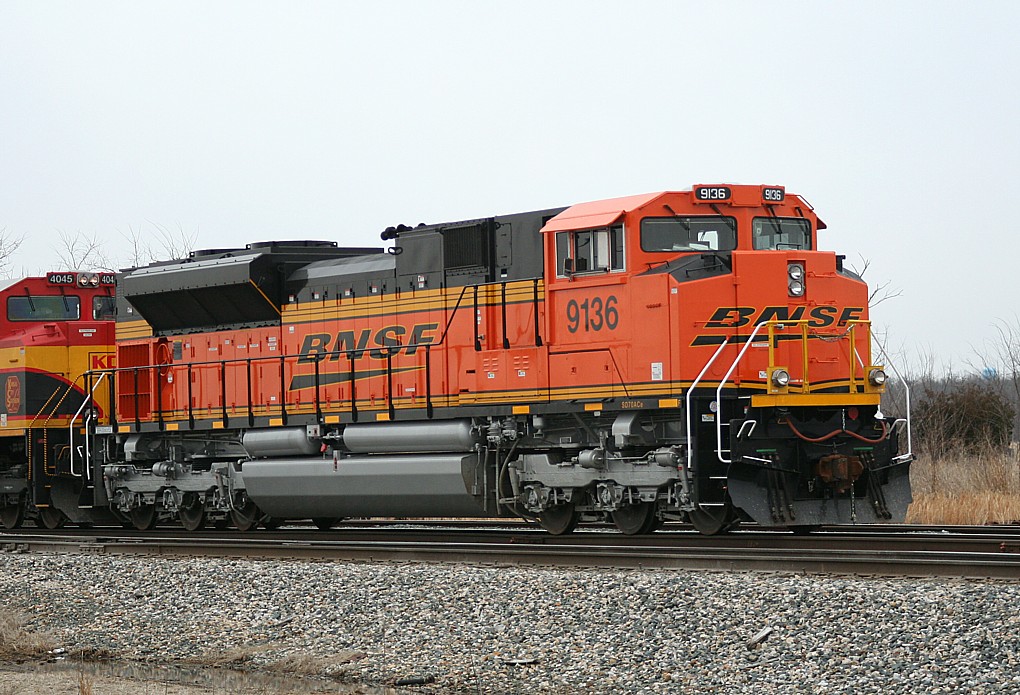
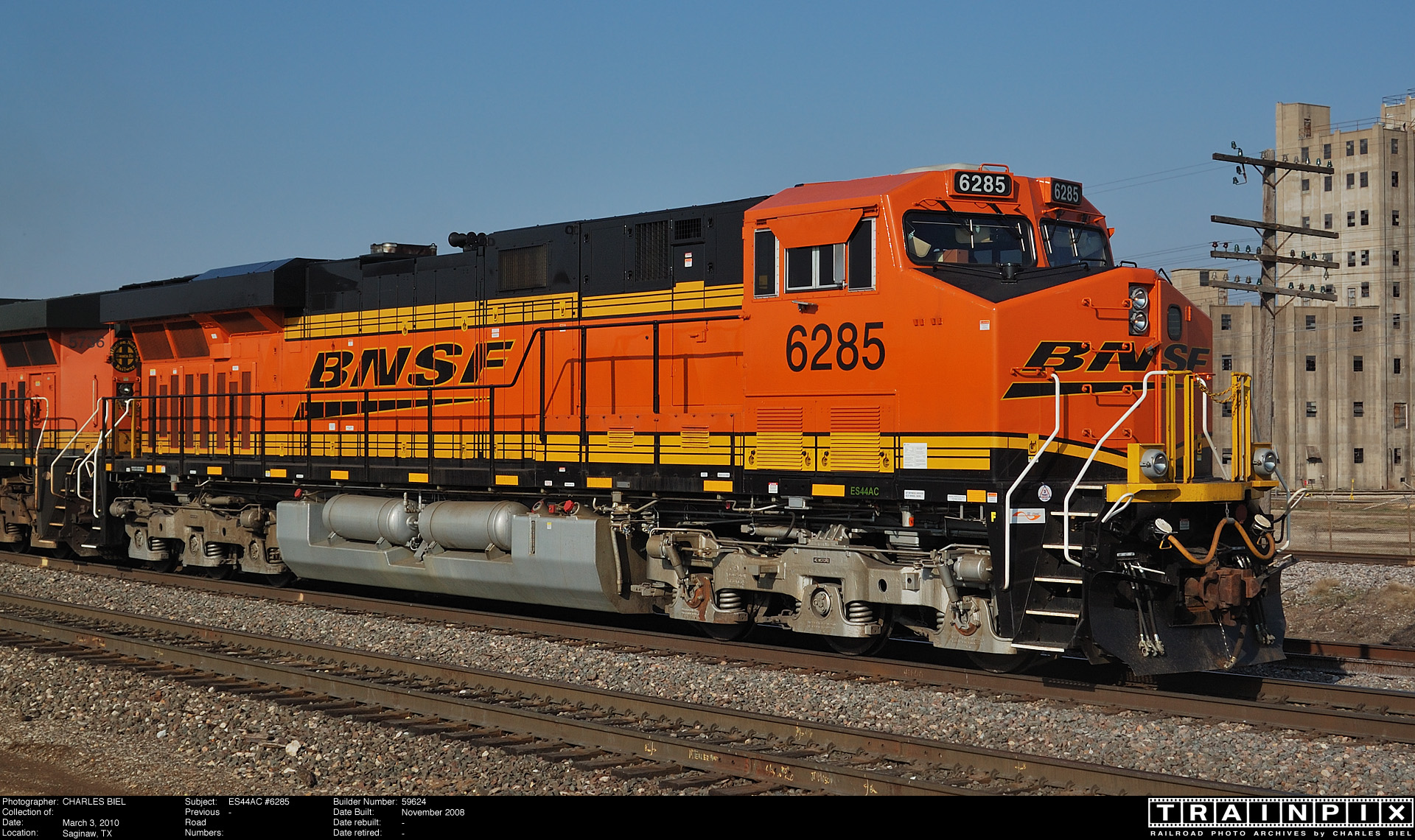
-Jake
 by Alpenfreight » Fri Jan 29, 2016 1:37 pm
by NStrains » Fri Jan 29, 2016 3:49 pm

by GSkid » Fri Jan 29, 2016 5:26 pm

by Alpenfreight » Fri Jan 29, 2016 6:05 pm
GSkid wrote:This is kind of a deep subject. There are so many locomotive models and sometimes specific railroads give their own model designations. I'd say of all the Class I railroads, Union Pacific is the worst offender in giving locos odd designations. Sometimes it can be because of the locomotive having high adhesion characteristics where weight was added and specific wheel-slip software algorithms were programmed for it.
If you want to actually know the specific differences, invest in a locomotive spotters guide. Train Simulator doesn't have a ton of models. They usually pick noteworthy ones...or are ones popular with either railroads or fans. We don't for example have every version of the SD70M that was made or the many minor tweaks done over the years with GE locos. So coming up with truly realistic consists will be somewhat harder..... but in the simplified sense, Train Simulator has enough milestone modern locos to accomplish this just fine.
Of note....
When it comes to the purchase of DLC, us rivet counters want the specific models done right if we are gonna be shelling out $20 for it. But when I'm playing the sim or watching trains in real life, I usually sit back and enjoy the sights and sounds of watching them and not constantly looking for minor differences in spotting features. For example... I'll pay attention to the fact that a Dash-9 is in a consist with a bunch of GEVOs, but I usually don't try to identify what specific model designation of Dash-9 it is.
by JohnTrainHead » Fri Jan 29, 2016 6:14 pm
Alpenfreight wrote:Yeah I understand what you mean by the massive amount of differences. I am just trying to get to the basics however. The difference between a Dash 9 and an ES44..

by ColoradoRailfan » Fri Jan 29, 2016 6:37 pm

by TheTeenageFoamer » Fri Jan 29, 2016 7:07 pm

by ZekTheKid » Tue Feb 02, 2016 11:35 pm
Berkshirefan765 wrote:I learn the basic shape of an engine then learn the numbers, for example: here is a SD70ACe.
And a SD70M-2
And as you can see they are almost exactly identical, however the numbers are not. So you should find a website of BNSF numbers then look up what type of locomotive those numbers are assigned to.


by ErikGorbiHamilton » Tue Feb 02, 2016 11:57 pm
ZekTheKid wrote:Berkshirefan765 wrote:I learn the basic shape of an engine then learn the numbers, for example: here is a SD70ACe.
And a SD70M-2
And as you can see they are almost exactly identical, however the numbers are not. So you should find a website of BNSF numbers then look up what type of locomotive those numbers are assigned to.
Numbers ain't always the case.I've seen a new CSX high-ad AC GEVO with the "3200" road numbers,but it wasn't a tier 4.However,down the line,CSX #3251 is an ET44AH, not an ES44AH.Telling the T3's and the T4's are easy,the exhaust stack (I think) is higher than a T3.

by TheTeenageFoamer » Wed Feb 03, 2016 12:48 pm
ZekTheKid wrote:Berkshirefan765 wrote:I learn the basic shape of an engine then learn the numbers, for example: here is a SD70ACe.
And a SD70M-2
And as you can see they are almost exactly identical, however the numbers are not. So you should find a website of BNSFnumbers then look up what type of locomotive those numbers are assigned to.
Numbers ain't always the case.I've seen a new CSX high-ad AC GEVO with the "3200" road numbers,but it wasn't a tier 4.However,down the line,CSX #3251 is an ET44AH, not an ES44AH.Telling the T3's and the T4's are easy,the exhaust stack (I think) is higher than a T3.
 (at least I get some more sleep
  )
)Users browsing this forum: No registered users and 2 guests